Tag: Blocked Ears and Muffled Hearing: When to See an ENT Doctor (Not Just Wait It Out)
Blocked Ears and Muffled Hearing: When to See an ENT Doctor (Not Just Wait It Out)

Ear Fullness That Won’t Clear: When to Book an ENT Clinic Visit
Blocked ears and muffled hearing are easy to dismiss. Many people assume it is “just wax, a minor cold, or water trapped after a shower. Sometimes that is true—and symptoms settle quickly.
However, ear fullness and reduced hearing can also signal conditions that benefit from early treatment. In certain cases, waiting it out can delay recovery or lead to avoidable complications.
An ENT doctor (ENT specialist) can identify whether the problem is in the ear canal, the eardrum, the middle ear, or deeper in the hearing system—and then recommend the right treatment, rather than trial-and-error at home.
This article explains the most common causes of blocked ears and muffled hearing, what you can safely do at home, and the clear signs that it is time to book an appointment at the nearest ENT clinic.
Why do ears feel blocked, and hearing sounds muffled
Hearing depends on sound travelling through the ear canal to the eardrum and middle ear, then being converted to signals for the brain. A “blocked” sensation often happens when sound cannot pass through smoothly, or the pressure in the middle ear is abnormal.
Blocked ears and muffled hearing generally fall into two broad categories:
- Conductive hearing issues: sound is physically blocked or reduced (often treatable).
- Sensorineural hearing issues: a problem with the inner ear or hearing nerve (can require urgent assessment, especially if sudden).
Knowing which category applies is one reason an ENT assessment can be valuable.
Common causes of blocked ears and muffled hearing
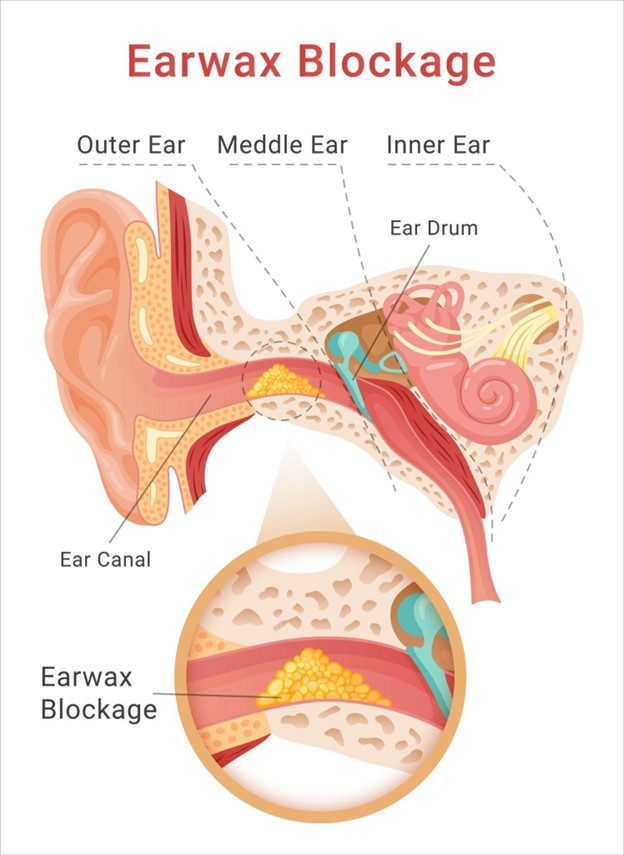
Earwax (wax impaction)
Earwax protects the ear canal, but it can build up and block sound—especially if you use earbuds, hearing aids, or cotton buds.
Typical signs:
- Gradual muffled hearing
- A feeling of fullness or pressure
- Occasional ringing (tinnitus)
- Symptoms often affect one ear more than the other.
Fluid behind the eardrum (middle ear effusion/glue ear)
After a cold, flu, or sinus infection, the Eustachian tube (which equalises ear pressure) can stay inflamed. Fluid may collect behind the eardrum, causing muffled hearing.
Typical signs:
- Fullness and reduced hearing after an upper respiratory infection
- Popping or crackling sounds
- Symptoms may worsen during flights or altitude changes.
Eustachian tube dysfunction (pressure and “popping” problems)
The Eustachian tube may not open properly due to allergies, inflammation, or anatomical factors.
Typical signs:
- Ear pressure and frequent popping
- Worse with colds, allergies, or air travel
- Muffled hearing that fluctuates
Outer ear infection (otitis externa)
Often linked to moisture (swimmer’s ear), skin irritation, or injury from cleaning the ear canal.
Typical signs:
- Ear pain, tenderness, itchiness
- Swelling of the ear canal
- Possible discharge
- Hearing may feel muffled due to swelling.
Middle ear infection (otitis media)
More common in children but can occur in adults, especially during respiratory infections.
Typical signs:
- Ear pain, fever, feeling unwell
- Reduced hearing and pressure
- Sometimes, discharge occurs if the eardrum ruptures.
Sudden sensorineural hearing loss (urgent)
This is a rapid hearing drop (often in one ear) due to inner ear causes. It can be mistaken for wax or a “blocked ear”.
Red flags:
- Sudden hearing loss over hours or within a day
- A “full” ear sensation with noticeable hearing drop
- New ringing or dizziness/vertigo
- Often no pain
This is one scenario where prompt ENT assessment is important, because early treatment can improve the chance of recovery.
When to wait briefly vs when to see an ENT doctor
Some ear symptoms settle within a short time, but there are clear situations where it is safer to seek assessment.
You may be able to monitor for 24–48 hours if:
- Symptoms began after a mild cold and are improving
- There is no severe pain, fever, or discharge.
- Hearing is only mildly reduced and not worsening.
- There are no dizziness or neurological symptoms.
However, if symptoms persist or worsen, do not keep waiting.

Signs you should see an ENT doctor (not just wait it out)
Book an ENT clinic appointment if you have:
- Blocked ear sensation or muffled hearing lasting more than 3–5 days without improvement
- Recurrent episodes that keep returning
- Persistent popping/pressure and hearing fluctuation
- Suspected wax that does not improve with safe measures
- Ear pain that is moderate to severe
- Discharge from the ear
- Hearing loss affects daily communication, work, or safety
Seek urgent medical assessment if you have:
- Sudden hearing loss (especially in one ear)
- Hearing loss with dizziness/vertigo, severe imbalance, or new neurological symptoms
- Severe pain with fever, swelling around the ear, or feeling very unwell.
- A history of ear surgery or a known eardrum perforation with new symptoms
If sudden hearing loss is possible, earlier assessment can matter.
What you can safely do at home (and what to avoid)
Safe self-care options
- Avoid inserting anything into the ear canal.
- If you suspect wax, you may use wax-softening drops as directed (unless you have known eardrum perforation or ear surgery history).
- For symptoms after a cold, stay hydrated and manage nasal inflammation (saline rinses and appropriate nasal sprays may help the Eustachian tube indirectly).
What to avoid
- Cotton buds: they often push wax deeper and can injure the canal.
- Ear candling: not recommended and can cause burns or blockage.
- Using random “strong” drops without knowing the cause.
- Forcing water syringing at home, especially if the eardrum status is unknown.
If you are unsure whether wax is the cause, an ENT assessment is safer than aggressive self-treatment.
What to expect at an ENT clinic appointment
An ENT doctor will usually perform a structured ear assessment:
History and symptom review
You may be asked about:
- onset and duration (sudden vs gradual)
- pain, discharge, itching, fever
- recent colds, flights, diving, or swimming
- tinnitus (ringing) or dizziness
- previous ear problems or surgeries
Otoscopy (ear examination)

Using a specialised lighted instrument, the ENT specialist will examine:
- ear canal for wax, swelling, infection, or foreign bodies
- eardrum for fluid, inflammation, perforation, or retraction
Hearing tests (when needed)
Depending on symptoms, the clinic may recommend:
- basic hearing assessment
- tympanometry (checks middle ear pressure/fluid)
- formal audiology testing for more precise measurement
These tests help confirm whether the issue is conductive or sensorineural.
Treatment options an ENT doctor may recommend
Treatment is based on diagnosis rather than guesswork.
Wax removal
If wax is impacted, an ENT clinic can remove it safely using appropriate tools and techniques.
Treatment for infection
- Otitis externa may require medicated ear drops and canal care.
- Otitis media treatment varies depending on severity, duration, and patient factors.
Management of fluid and Eustachian tube dysfunction
If fluid is present behind the eardrum, your ENT doctor may recommend:
- managing nasal/allergy inflammation
- monitoring for resolution over time in suitable cases
- Further options if persistent, especially if hearing is significantly affected
Sudden sensorineural hearing loss management
If suspected, urgent ENT assessment and appropriate treatment may be recommended promptly, often alongside hearing tests.
Key takeaway: Muffled hearing is not always harmless
Blocked ears and muffled hearing are often caused by treatable issues such as wax, inflammation, or fluid. However, ongoing symptoms, pain, discharge, or sudden hearing changes should not be ignored.
If your hearing is noticeably reduced, lasts more than a few days, or comes with dizziness or ringing, an ENT doctor can confirm the cause and recommend the correct treatment—so you do not lose time relying on guesswork. Here is a great article on when to visit a clinic for hearing problems.