How Doctors in ENT Clinic Support Patients Beyond Hearing Aid Fittings
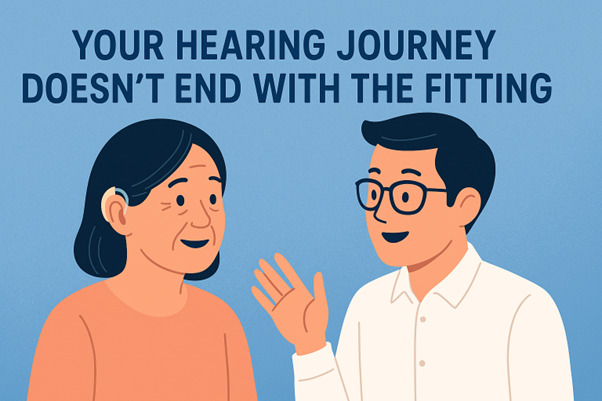
When most people think about an ENT clinic, the first image that comes to mind is the fitting of a new device. While this is a significant milestone, it is only the beginning of a much longer journey. Hearing care extends far beyond selecting and fitting a hearing aid. True progress happens when ongoing support, professional guidance, and personal care continue after the initial appointment.
This article explores the many ways in which Otolaryngology clinic provides lasting value for patients. From education and troubleshooting to emotional support and broader hearing health management, the role of a hearing professional goes well beyond the technology itself.
Patient Education
One of the most important services a clinic provides is patient education. Hearing aids are highly advanced devices, and without the right instruction, they can be difficult to manage. Patients need to learn how to insert and remove them correctly, how to keep them clean, and when to replace batteries or recharge units.
Education also includes recognising when something is not quite right. For example:
- A weak or distorted sound may indicate a battery or wax issue.
- Whistling noises often suggest a poor fit or earwax interference.
- Sudden discomfort should be checked rather than ignored.
Through clear guidance and practical demonstrations, patients gain confidence in using their devices. This confidence is essential for achieving long-term success, as it prevents frustration and builds independence in day-to-day hearing management.
Follow-Up and Adjustments
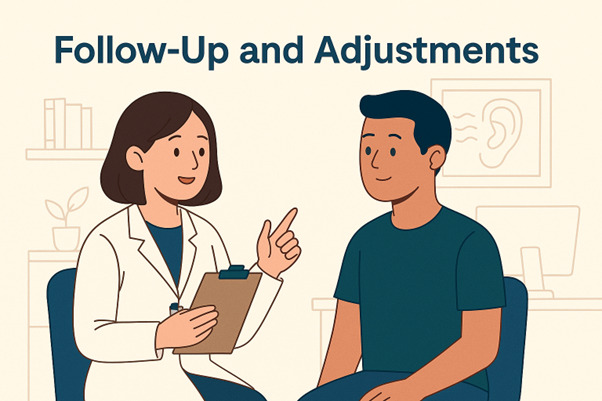
The fitting appointment is never the final step. Regular reviews form an essential part of continued care. Most patients are advised to attend a follow-up appointment within weeks of being fitted, with further check-ups offered as needed. Hearing changes gradually over time, so adjustments help the device remain suitable and effective.
During follow-ups, a hearing specialist can fine-tune the programming of hearing aids. These adjustments ensure the device responds correctly in different listening environments, from quiet conversations at home to busy social gatherings. Comfort is equally important, and clinics check that the fit remains appropriate as patients adapt to daily use.
By providing ongoing adjustments, clinics help patients get the best out of their devices, ensuring that the technology evolves with them rather than becoming a static solution.
Troubleshooting and Repairs
Even with the best preparation, devices can sometimes develop issues. This is where the clinic’s role in troubleshooting and repair becomes invaluable. Patients may encounter problems such as broken tubing, damaged casings, or electronic faults that cannot be solved at home.
A clinician is trained to assess the cause and recommend the appropriate repair or arrange specialist servicing if required. This professional input prevents patients from attempting unsuitable fixes that could damage the device further or risk their hearing health.
In this way, clinics serve as the first point of support when problems arise, providing reassurance and reliable solutions that extend the life of hearing technology.
Broader Hearing Health Management
Beyond device care, clinics also support the wider aspects of hearing health. A common example is earwax management. Excessive wax can block sound and interfere with the performance of hearing aids, yet attempting removal at home may be unsafe. In some cases, a hearing specialist may address this directly; in others, patients are referred to a medical professional for safe removal.
Regular hearing assessments also form part of this wider care. Hearing can change gradually, sometimes so slowly that patients do not notice the difference.
When you see an ENT doctor for a hearing assessment, they will first ask about your symptoms and health history. The doctor will then look inside your ears to check for earwax, infection, or other problems. You will also have a hearing test, called audiometry, to find out how well you can hear different sounds.
For some individuals, standard devices may not meet every need. Clinics provide advice on additional assistive technologies, such as:
- Remote microphones for clearer speech in noisy spaces.
- Streamers that connect hearing aids directly to televisions or phones.
This comprehensive approach ensures that patients always have access to the right hearing solution for their lifestyle.
Emotional and Social Support
Hearing loss is not just a physical issue; it also affects emotional well-being and social confidence. Many people struggle with feelings of isolation, frustration, or reduced participation in conversations. Clinics play an important role in addressing these challenges.
Through counselling and guidance, specialists help patients manage the psychological impact of hearing loss. They provide strategies for communicating in noisy places, managing fatigue from listening effort, and rebuilding confidence in social settings.
In many cases, families are encouraged to take part in discussions, learning how to adjust communication styles and provide encouragement. This shared approach strengthens relationships and helps patients feel fully supported in their journey.
Encouraging Long-Term Engagement
One of the strongest benefits of clinic-based care is the encouragement of long-term engagement. Patients who maintain regular contact with their clinic are more likely to continue using their devices consistently, which improves satisfaction and communication outcomes.
In a busy city such as Singapore, choosing the right service can make a huge difference. A hearing clinic Singapore patients can rely on will focus not only on fittings but also on building an ongoing relationship. This trust ensures that patients seek help promptly when problems arise rather than delaying until difficulties become more serious.
Hearing specialists know that lasting results come from a combination of technology, professional expertise, and patient commitment. Encouraging continued engagement is therefore central to achieving the best possible hearing outcomes.
Conclusion
The work of a clinic extends far beyond placing a device in someone’s ear. Education, adjustments, repairs, broader health management, and emotional support are all essential parts of the journey. Together, these services ensure that patients enjoy not just improved hearing but also a fuller quality of life.
For anyone considering their options, it is important to recognise that hearing care is never a one-time appointment. Whether it is an audiologist offering reassurance, a hearing solution tailored to specific needs, or ongoing support during life’s changes, a hearing clinic remains a partner in long-term wellbeing.