Author: Editor Team
Blocked Ears and Muffled Hearing: When to See an ENT Doctor (Not Just Wait It Out)

Ear Fullness That Won’t Clear: When to Book an ENT Clinic Visit
Blocked ears and muffled hearing are easy to dismiss. Many people assume it is “just wax, a minor cold, or water trapped after a shower. Sometimes that is true—and symptoms settle quickly.
However, ear fullness and reduced hearing can also signal conditions that benefit from early treatment. In certain cases, waiting it out can delay recovery or lead to avoidable complications.
An ENT doctor (ENT specialist) can identify whether the problem is in the ear canal, the eardrum, the middle ear, or deeper in the hearing system—and then recommend the right treatment, rather than trial-and-error at home.
This article explains the most common causes of blocked ears and muffled hearing, what you can safely do at home, and the clear signs that it is time to book an appointment at the nearest ENT clinic.
Why do ears feel blocked, and hearing sounds muffled
Hearing depends on sound travelling through the ear canal to the eardrum and middle ear, then being converted to signals for the brain. A “blocked” sensation often happens when sound cannot pass through smoothly, or the pressure in the middle ear is abnormal.
Blocked ears and muffled hearing generally fall into two broad categories:
- Conductive hearing issues: sound is physically blocked or reduced (often treatable).
- Sensorineural hearing issues: a problem with the inner ear or hearing nerve (can require urgent assessment, especially if sudden).
Knowing which category applies is one reason an ENT assessment can be valuable.
Common causes of blocked ears and muffled hearing
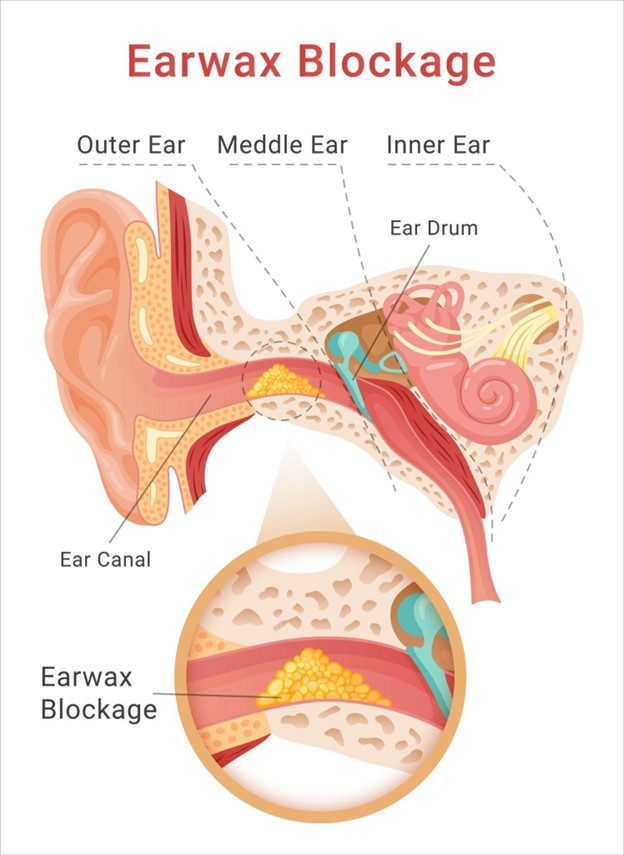
Earwax (wax impaction)
Earwax protects the ear canal, but it can build up and block sound—especially if you use earbuds, hearing aids, or cotton buds.
Typical signs:
- Gradual muffled hearing
- A feeling of fullness or pressure
- Occasional ringing (tinnitus)
- Symptoms often affect one ear more than the other.
Fluid behind the eardrum (middle ear effusion/glue ear)
After a cold, flu, or sinus infection, the Eustachian tube (which equalises ear pressure) can stay inflamed. Fluid may collect behind the eardrum, causing muffled hearing.
Typical signs:
- Fullness and reduced hearing after an upper respiratory infection
- Popping or crackling sounds
- Symptoms may worsen during flights or altitude changes.
Eustachian tube dysfunction (pressure and “popping” problems)
The Eustachian tube may not open properly due to allergies, inflammation, or anatomical factors.
Typical signs:
- Ear pressure and frequent popping
- Worse with colds, allergies, or air travel
- Muffled hearing that fluctuates
Outer ear infection (otitis externa)
Often linked to moisture (swimmer’s ear), skin irritation, or injury from cleaning the ear canal.
Typical signs:
- Ear pain, tenderness, itchiness
- Swelling of the ear canal
- Possible discharge
- Hearing may feel muffled due to swelling.
Middle ear infection (otitis media)
More common in children but can occur in adults, especially during respiratory infections.
Typical signs:
- Ear pain, fever, feeling unwell
- Reduced hearing and pressure
- Sometimes, discharge occurs if the eardrum ruptures.
Sudden sensorineural hearing loss (urgent)
This is a rapid hearing drop (often in one ear) due to inner ear causes. It can be mistaken for wax or a “blocked ear”.
Red flags:
- Sudden hearing loss over hours or within a day
- A “full” ear sensation with noticeable hearing drop
- New ringing or dizziness/vertigo
- Often no pain
This is one scenario where prompt ENT assessment is important, because early treatment can improve the chance of recovery.
When to wait briefly vs when to see an ENT doctor
Some ear symptoms settle within a short time, but there are clear situations where it is safer to seek assessment.
You may be able to monitor for 24–48 hours if:
- Symptoms began after a mild cold and are improving
- There is no severe pain, fever, or discharge.
- Hearing is only mildly reduced and not worsening.
- There are no dizziness or neurological symptoms.
However, if symptoms persist or worsen, do not keep waiting.
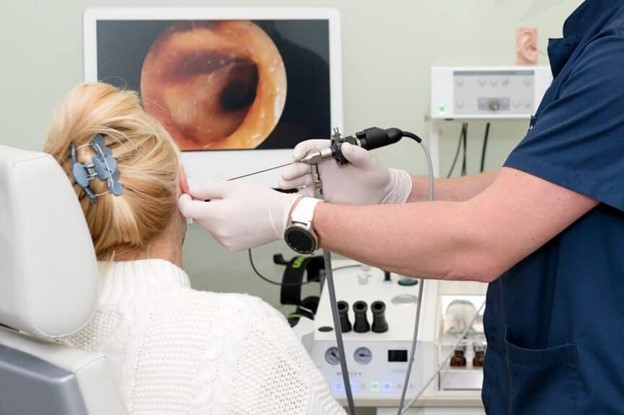
Signs you should see an ENT doctor (not just wait it out)
Book an ENT clinic appointment if you have:
- Blocked ear sensation or muffled hearing lasting more than 3–5 days without improvement
- Recurrent episodes that keep returning
- Persistent popping/pressure and hearing fluctuation
- Suspected wax that does not improve with safe measures
- Ear pain that is moderate to severe
- Discharge from the ear
- Hearing loss affects daily communication, work, or safety
Seek urgent medical assessment if you have:
- Sudden hearing loss (especially in one ear)
- Hearing loss with dizziness/vertigo, severe imbalance, or new neurological symptoms
- Severe pain with fever, swelling around the ear, or feeling very unwell.
- A history of ear surgery or a known eardrum perforation with new symptoms
If sudden hearing loss is possible, earlier assessment can matter.
What you can safely do at home (and what to avoid)
Safe self-care options
- Avoid inserting anything into the ear canal.
- If you suspect wax, you may use wax-softening drops as directed (unless you have known eardrum perforation or ear surgery history).
- For symptoms after a cold, stay hydrated and manage nasal inflammation (saline rinses and appropriate nasal sprays may help the Eustachian tube indirectly).
What to avoid
- Cotton buds: they often push wax deeper and can injure the canal.
- Ear candling: not recommended and can cause burns or blockage.
- Using random “strong” drops without knowing the cause.
- Forcing water syringing at home, especially if the eardrum status is unknown.
If you are unsure whether wax is the cause, an ENT assessment is safer than aggressive self-treatment.
What to expect at an ENT clinic appointment
An ENT doctor will usually perform a structured ear assessment:
History and symptom review
You may be asked about:
- onset and duration (sudden vs gradual)
- pain, discharge, itching, fever
- recent colds, flights, diving, or swimming
- tinnitus (ringing) or dizziness
- previous ear problems or surgeries
Otoscopy (ear examination)
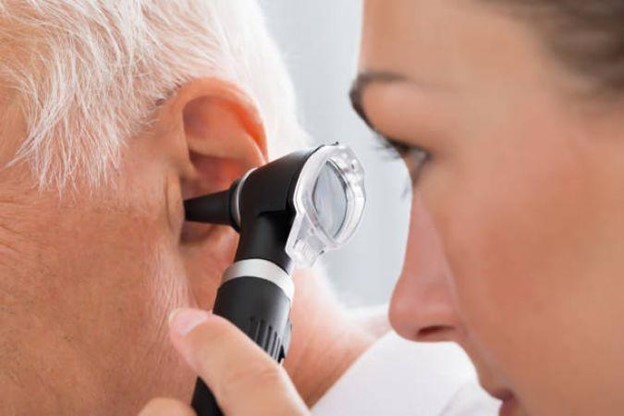
Using a specialised lighted instrument, the ENT specialist will examine:
- ear canal for wax, swelling, infection, or foreign bodies
- eardrum for fluid, inflammation, perforation, or retraction
Hearing tests (when needed)
Depending on symptoms, the clinic may recommend:
- basic hearing assessment
- tympanometry (checks middle ear pressure/fluid)
- formal audiology testing for more precise measurement
These tests help confirm whether the issue is conductive or sensorineural.
Treatment options an ENT doctor may recommend
Treatment is based on diagnosis rather than guesswork.
Wax removal
If wax is impacted, an ENT clinic can remove it safely using appropriate tools and techniques.
Treatment for infection
- Otitis externa may require medicated ear drops and canal care.
- Otitis media treatment varies depending on severity, duration, and patient factors.
Management of fluid and Eustachian tube dysfunction
If fluid is present behind the eardrum, your ENT doctor may recommend:
- managing nasal/allergy inflammation
- monitoring for resolution over time in suitable cases
- Further options if persistent, especially if hearing is significantly affected
Sudden sensorineural hearing loss management
If suspected, urgent ENT assessment and appropriate treatment may be recommended promptly, often alongside hearing tests.
Key takeaway: Muffled hearing is not always harmless
Blocked ears and muffled hearing are often caused by treatable issues such as wax, inflammation, or fluid. However, ongoing symptoms, pain, discharge, or sudden hearing changes should not be ignored.
If your hearing is noticeably reduced, lasts more than a few days, or comes with dizziness or ringing, an ENT doctor can confirm the cause and recommend the correct treatment—so you do not lose time relying on guesswork. Here is a great article on when to visit a clinic for hearing problems.
How Doctors in ENT Clinic Support Patients Beyond Hearing Aid Fittings

When most people think about an ENT clinic, the first image that comes to mind is the fitting of a new device. While this is a significant milestone, it is only the beginning of a much longer journey. Hearing care extends far beyond selecting and fitting a hearing aid. True progress happens when ongoing support, professional guidance, and personal care continue after the initial appointment.
This article explores the many ways in which Otolaryngology clinic provides lasting value for patients. From education and troubleshooting to emotional support and broader hearing health management, the role of a hearing professional goes well beyond the technology itself.
Patient Education
One of the most important services a clinic provides is patient education. Hearing aids are highly advanced devices, and without the right instruction, they can be difficult to manage. Patients need to learn how to insert and remove them correctly, how to keep them clean, and when to replace batteries or recharge units.
Education also includes recognising when something is not quite right. For example:
- A weak or distorted sound may indicate a battery or wax issue.
- Whistling noises often suggest a poor fit or earwax interference.
- Sudden discomfort should be checked rather than ignored.
Through clear guidance and practical demonstrations, patients gain confidence in using their devices. This confidence is essential for achieving long-term success, as it prevents frustration and builds independence in day-to-day hearing management.
Follow-Up and Adjustments
The fitting appointment is never the final step. Regular reviews form an essential part of continued care. Most patients are advised to attend a follow-up appointment within weeks of being fitted, with further check-ups offered as needed. Hearing changes gradually over time, so adjustments help the device remain suitable and effective.
During follow-ups, a hearing specialist can fine-tune the programming of hearing aids. These adjustments ensure the device responds correctly in different listening environments, from quiet conversations at home to busy social gatherings. Comfort is equally important, and clinics check that the fit remains appropriate as patients adapt to daily use.
By providing ongoing adjustments, clinics help patients get the best out of their devices, ensuring that the technology evolves with them rather than becoming a static solution.
Troubleshooting and Repairs
Even with the best preparation, devices can sometimes develop issues. This is where the clinic’s role in troubleshooting and repair becomes invaluable. Patients may encounter problems such as broken tubing, damaged casings, or electronic faults that cannot be solved at home.
A clinician is trained to assess the cause and recommend the appropriate repair or arrange specialist servicing if required. This professional input prevents patients from attempting unsuitable fixes that could damage the device further or risk their hearing health.
In this way, clinics serve as the first point of support when problems arise, providing reassurance and reliable solutions that extend the life of hearing technology.
Broader Hearing Health Management
Beyond device care, clinics also support the wider aspects of hearing health. A common example is earwax management. Excessive wax can block sound and interfere with the performance of hearing aids, yet attempting removal at home may be unsafe. In some cases, a hearing specialist may address this directly; in others, patients are referred to a medical professional for safe removal.
Regular hearing assessments also form part of this wider care. Hearing can change gradually, sometimes so slowly that patients do not notice the difference.
When you see an ENT doctor for a hearing assessment, they will first ask about your symptoms and health history. The doctor will then look inside your ears to check for earwax, infection, or other problems. You will also have a hearing test, called audiometry, to find out how well you can hear different sounds.
For some individuals, standard devices may not meet every need. Clinics provide advice on additional assistive technologies, such as:
- Remote microphones for clearer speech in noisy spaces.
- Streamers that connect hearing aids directly to televisions or phones.
This comprehensive approach ensures that patients always have access to the right hearing solution for their lifestyle.
Emotional and Social Support
Hearing loss is not just a physical issue; it also affects emotional well-being and social confidence. Many people struggle with feelings of isolation, frustration, or reduced participation in conversations. Clinics play an important role in addressing these challenges.
Through counselling and guidance, specialists help patients manage the psychological impact of hearing loss. They provide strategies for communicating in noisy places, managing fatigue from listening effort, and rebuilding confidence in social settings.
In many cases, families are encouraged to take part in discussions, learning how to adjust communication styles and provide encouragement. This shared approach strengthens relationships and helps patients feel fully supported in their journey.
Encouraging Long-Term Engagement
One of the strongest benefits of clinic-based care is the encouragement of long-term engagement. Patients who maintain regular contact with their clinic are more likely to continue using their devices consistently, which improves satisfaction and communication outcomes.
In a busy city such as Singapore, choosing the right service can make a huge difference. A hearing clinic Singapore patients can rely on will focus not only on fittings but also on building an ongoing relationship. This trust ensures that patients seek help promptly when problems arise rather than delaying until difficulties become more serious.
Hearing specialists know that lasting results come from a combination of technology, professional expertise, and patient commitment. Encouraging continued engagement is therefore central to achieving the best possible hearing outcomes.
Conclusion
The work of a clinic extends far beyond placing a device in someone’s ear. Education, adjustments, repairs, broader health management, and emotional support are all essential parts of the journey. Together, these services ensure that patients enjoy not just improved hearing but also a fuller quality of life.
For anyone considering their options, it is important to recognise that hearing care is never a one-time appointment. Whether it is an audiologist offering reassurance, a hearing solution tailored to specific needs, or ongoing support during life’s changes, a hearing clinic remains a partner in long-term wellbeing.
Struggling With Blocked Ears? Here’s How ENT Doctors Remove Ear Wax Safely

A blocked ear can be surprisingly distressing. Sounds become muffled, your own voice may echo, and there is often a heavy or pressured sensation inside the ear canal. In some cases, impacted ear wax can even cause discomfort, dizziness, or temporary hearing reduction.
While many people attempt home remedies, ear wax that is deeply lodged or hardened cannot always be safely removed on your own. This is where professional ear cleaning becomes important. Instead of guessing or risking further blockage, a medically guided approach ensures the problem is treated properly.
Professional ear cleaning, particularly microsuction ear wax removal, is a safe and precise procedure performed under direct visual guidance. Using specialised instruments and magnification, the physician gently removes excess wax without pushing it deeper into the ear canal. Unlike cotton buds or ear candles, this method reduces the risk of injury to the delicate ear canal and eardrum.
If you are considering professional ear cleaning, it helps to understand how the procedure works, who should undergo it, and what results to expect. With the right approach, relief can be almost immediate — and your hearing clarity restored safely and effectively.
Understanding Ear Wax: Why It Exists and When It Becomes a Problem
Before discussing removal methods, it is important to understand what ear wax actually is. Medically known as cerumen, ear wax is a natural substance produced by glands in the ear canal.
It plays a protective role by trapping dust, debris, and microorganisms before they can reach the deeper parts of the ear. It also helps lubricate the ear canal, preventing dryness and irritation.
In most people, ear wax gradually moves outward on its own and falls away naturally. However, when production exceeds natural clearance, wax can accumulate and become impacted.
When this happens, you may notice muffled hearing, a blocked sensation, ringing in the ear, or even mild discomfort. That is typically when a professional evaluation becomes helpful.
Professional Ear Cleaning Services
Professional ear cleaning is carried out by trained ENT practitioners who understand the anatomy of the ear canal and eardrum. This is important because the ear is delicate, and improper techniques can cause injury.
A proper assessment is usually performed first to determine the amount, consistency, and position of the wax. The method of removal is then selected based on what is safest and most effective for your specific condition.
Seeking professional ENT care ensures that wax is removed without pushing it deeper or damaging the ear canal.
What Is Microsuction Ear Wax Removal?
Microsuction is one of the most precise and commonly used techniques for removing impacted wax. It involves the use of a small suction device under direct visual guidance, often with magnification.
The practitioner gently removes the wax while clearly seeing the ear canal throughout the procedure. This significantly reduces the risk of trauma compared to blind removal methods.
Importantly, microsuction does not require flushing the ear with water. This makes it suitable for individuals with sensitive ears, a history of ear infections, or a perforated eardrum.
Compared to inserting cotton buds or other objects into the ear, microsuction is far safer and more controlled. Many patients also experience immediate improvement in hearing once the blockage is cleared.
Other Medical Methods for Ear Wax Removal
While microsuction is highly effective, there are other medically supervised methods available when appropriate.
Manual Removal (Curettage)
Manual removal involves using a small specialised instrument to gently extract visible wax from the ear canal. This technique is performed under direct visualisation and requires precision and experience.
It is often suitable when wax is located closer to the outer part of the canal and is not deeply impacted.
Ear Irrigation
Irrigation involves flushing the ear canal with controlled water flow to loosen and remove wax. This method is not suitable for everyone, particularly those with certain ear conditions or previous ear surgery.
When used selectively and appropriately, it can be effective in softening and clearing certain types of wax build-up.
Cerumenolytic Ear Drops
In some cases, softening drops may be recommended before mechanical removal. These drops help to break down hardened wax, making it easier to extract safely during a follow-up procedure.
However, drops alone are not always sufficient if the wax is significantly impacted.
Why Professional Ear Cleaning Is Recommended
Attempting to clean your ears at home can sometimes make the situation worse. Cotton buds and similar objects often push wax further inward, increasing the risk of impaction.
In more severe cases, improper cleaning may irritate the ear canal or even cause infection. The ear canal skin is thin and sensitive, and small injuries can lead to inflammation.
Professional ear cleaning minimises these risks because the procedure is performed under clear visual guidance using medical instruments designed specifically for the ear.

Benefits of Medically Supervised Ear Cleaning
There are several advantages to having ear wax removed professionally:
- Wax is removed safely and precisely
- The risk of injury or further impaction is reduced
- Hearing clarity may improve immediately
- The procedure is typically quick and well tolerated
- No unnecessary chemicals or unsafe techniques are used
Many patients also describe a noticeable sense of relief once the blockage is cleared. Improved sound clarity can feel surprisingly refreshing.
Is Professional Ear Cleaning Affordable?
In most cases, professional ear cleaning is a straightforward outpatient procedure. The cost can vary depending on the clinic and the method used, but it is generally considered accessible and reasonable.
When ear wax removal is medically necessary — such as when it causes hearing loss, discomfort, or infection — some insurance plans may provide coverage. It is always advisable to check with your provider beforehand.
Final Thoughts
Ear wax serves an important protective purpose, but when it accumulates excessively, it can interfere with hearing and comfort. Ignoring persistent blockage may prolong symptoms unnecessarily.
Professional ear cleaning provides a safe, effective solution guided by medical expertise. With modern techniques such as microsuction, wax can be removed gently and accurately without causing harm to the delicate structures of the ear.
If you are experiencing blocked ears or reduced hearing, seeking proper evaluation can provide clarity — both literally and medically.
The Role of a Hearing Aid Audiologist: Why Specialisation Matters for Your Hearing Health
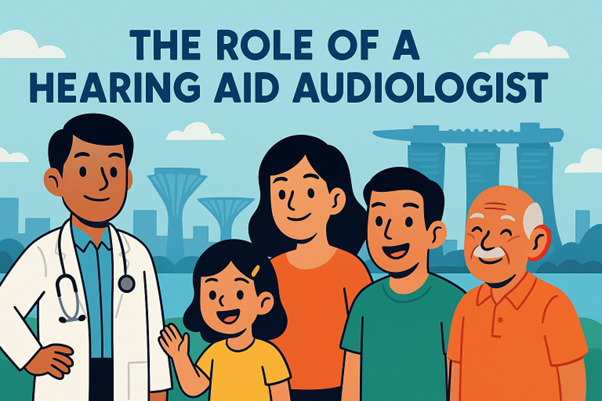
Why You Need a Hearing Aid Audiologist for Your Hearing Health
Hearing is one of the most vital senses, connecting us to people, experiences, and the world around us. When hearing begins to fade, it impacts not just communication, but also emotional wellbeing, independence, and even cognitive health. This is where a hearing aid audiologist steps in. While there are various professionals in hearing care, the expertise and specialisation of an audiologist—often referred to as a hearing aid doctor—make all the difference in safeguarding your long-term hearing health.
What Sets a Hearing Aid Audiologist Apart?
Choosing the right professional for your hearing needs is crucial. A hearing aid audiologist is a specialist with extensive university-level education in audiology and practical clinical training. Their qualifications often include postgraduate degrees, hands-on placements, and national registration. Unlike general hearing aid dispensers, who primarily fit hearing aids, an audiologist brings a deeper scientific understanding of the ear, brain, and the intricate mechanisms involved in hearing and balance.
This specialisation equips a hearing aid audiologist to address complex hearing issues, from subtle auditory processing problems to managing balance disorders. Their training covers advanced diagnostic techniques and the latest developments in hearing aid technology. Patients benefit from solutions that are truly tailored to their individual needs, ensuring not only improved hearing but also a better quality of life.
Key Responsibilities of a Specialist Audiologist
Advanced Diagnostic Assessments
An expert audiologist does much more than perform a basic hearing test. They use a suite of diagnostic tools to measure hearing sensitivity, assess the health of the auditory system, and investigate issues such as tinnitus or unexplained dizziness. Comprehensive assessments might include pure tone audiometry, speech recognition tests, and tympanometry, among others. The results of these tests allow the audiologist to pinpoint the type and degree of hearing loss, ensuring that every patient receives an accurate diagnosis before any recommendations are made.
Personalised Hearing Aid Selection, Fitting, and Ongoing Management
Not all hearing loss is the same, and neither are hearing aids. One of the most important roles of a hearing aid audiologist is to select the right device for each individual. After detailed assessments, they recommend options based on lifestyle, hearing profile, and personal preferences. The fitting process involves more than just handing over a device; the audiologist precisely programs the hearing aid to match the patient’s unique hearing pattern.
Once fitted, hearing aids often require fine-tuning to achieve the best possible results. Ongoing care, including regular follow-ups and technical support, ensures that the hearing aid continues to function optimally. This ongoing relationship between the audiologist and the patient is key to achieving the best outcomes.
Support for Balance and Tinnitus Issues
Many people are unaware that audiologists, sometimes referred to as hearing aid doctors, also play a critical role in managing balance disorders and tinnitus. The balance system, located in the inner ear, can become compromised due to ageing, injury, or illness. An audiologist uses specialist tests to evaluate balance function and offers rehabilitation exercises and strategies for those who experience dizziness or unsteadiness.
For those suffering from tinnitus—the perception of noise or ringing in the ears—an audiologist can help develop coping strategies, sound therapy, and management plans tailored to reduce the impact of tinnitus on daily life. This comprehensive approach goes beyond simply providing hearing aids and ensures holistic hearing health support.
Why Specialisation Matters

Accurate Diagnosis and Tailored Solutions
When it comes to hearing loss, accuracy is everything. Only a hearing aid audiologist has the clinical training and diagnostic expertise to distinguish between different types of hearing loss, such as conductive, sensorineural, or mixed. They can also spot when a medical condition may be at the root of the issue and refer for medical or surgical intervention if needed.
Tailored solutions are at the heart of what an audiologist does. By taking into account the patient’s specific lifestyle, communication needs, and even work environment, the audiologist can recommend and fit hearing aids that are both comfortable and effective. This level of customisation is simply not available through generic hearing care providers.
Guidance for Long-Term Hearing Health
Hearing loss is not always a static condition; it can change over time due to ageing, exposure to noise, or medical factors. An audiologist provides ongoing monitoring, making adjustments as required to ensure that hearing aids continue to meet the patient’s needs. They also educate patients and families about hearing conservation, prevention of further damage, and strategies for effective communication.
Specialist knowledge means audiologists are always up to date with advances in hearing aid technology and the latest clinical best practices. This commitment to ongoing professional development ensures patients receive the most effective, evidence-based care possible.
Advancements and Rehabilitation
The field of audiology is always evolving, with constant advances in digital hearing aids, wireless accessories, and remote care options. A hearing aid audiologist is skilled in incorporating these technological developments into patient care. They also provide rehabilitation support, including listening exercises, auditory training, and counselling, all designed to help patients adapt to new devices and get the most out of their improved hearing.
The Benefits of Choosing a Specialist Audiologist
Expert, Personalised Care
Working with a hearing aid audiologist means your hearing care is guided by someone with the highest level of expertise. This ensures you receive an accurate diagnosis, a personalised management plan, and ongoing support for both your hearing and general wellbeing.
Holistic Support
An audiologist considers not only your ears but your whole experience. Whether it’s offering solutions for communication in noisy environments, support with tinnitus, or balance rehabilitation, the approach is always holistic and patient-centred.
Lifelong Partnership
Hearing care is not a one-off appointment; it’s a journey. The relationship between you and your audiologist is built on trust and continuity. Regular reviews, technical adjustments, and support for any new challenges mean that your hearing health is protected for the long term.
Conclusion
Your hearing connects you to family, friends, and the world. When you notice changes in your hearing, seeking advice from a hearing aid audiologist is the best decision you can make for your health. Unlike other hearing care providers, an audiologist has the depth of knowledge and clinical skill to address complex issues, provide bespoke solutions, and support you at every stage of your journey.
Specialisation truly matters. Whether you’re considering your first hearing test, need advice on hearing aids, or are seeking help for balance or tinnitus problems, a specialist audiologist—sometimes known as a hearing aid doctor—offers the highest standard of care. Protect your hearing, prioritise your wellbeing, and ensure you can continue to enjoy the sounds that make life so rich.
If you’re experiencing any difficulty with your hearing or simply want to stay on top of your health, make an appointment with a hearing aid audiologist today. Expert, compassionate, and always focused on your individual needs, the right audiologist will be your partner in better hearing for life.
The Benefits of Early Hearing Intervention with an Otolaryngologist

The Benefits of Early Hearing Intervention with ENT Doctors
Early hearing intervention is about recognising and addressing hearing difficulties before they cause long-term challenges. Acting early makes a significant difference to language development, social participation, and overall quality of life. When guided by a professional ENT, intervention becomes a structured and effective process that leads to better outcomes for both children and adults.
Why Early Detection Matters
Hearing loss is not always immediately obvious. Many people adapt to subtle changes until communication begins to suffer. For children, undiagnosed hearing loss can limit speech development, delay learning, and affect social confidence. Adults often face frustration in conversations, workplace challenges, and even isolation when hearing difficulties are ignored.
Addressing hearing issues early reduces these risks. With timely support:
- Children gain stronger foundations for literacy and learning.
- Adults maintain active communication and independence.
Detecting hearing problems at the earliest stage allows intervention to be both efficient and far-reaching.
The Expertise of Otolaryngologist
An otolaryngologist is a trained professional who specialises in assessing, diagnosing, and managing hearing concerns. Their role extends beyond testing hearing levels—they also interpret results, identify underlying causes, and design treatment plans tailored to the individual.
These professionals rely on advanced diagnostic tools such as pure tone audiometry, tympanometry, and otoacoustic emissions. The results guide targeted recommendations, whether that involves monitoring, medical referral, or introducing a suitable hearing solution. Because no two patients are alike, Otolaryngologists create plans that account for age, lifestyle, and communication needs.
Core Benefits of Early Intervention

Children: Language and Social Development
For children, hearing plays a central role in language and learning. When difficulties are identified early, targeted support allows children to develop clearer speech patterns, stronger vocabulary, and better academic outcomes. Social skills also grow more naturally when children can fully engage with peers and teachers.
Missing the critical window for intervention can result in long-term delays. By ensuring hearing support at the earliest stage, children gain a fair opportunity to thrive both in education and everyday communication.
Adults: Communication and Mental Health
In adults, untreated hearing loss often leads to misunderstandings, repeated conversations, and eventually withdrawal from social settings. This isolation can contribute to stress, anxiety, and reduced self-confidence. Studies also suggest that untreated hearing problems may accelerate cognitive decline.
Early use of appropriate hearing support preserves communication skills, strengthens relationships, and maintains mental wellbeing. Addressing hearing loss before it escalates helps adults continue leading fulfilling and independent lives.
Adapting to Hearing Technology
Hearing aids, cochlear implants, and assistive devices are most effective when introduced at the right time. Early fitting is particularly crucial for children, as it supports speech and language development. In adults, satisfaction with hearing technology depends on several factors, including degree of hearing loss, device type, and personal expectations. However, beginning the process early often helps preserve communication abilities and makes the transition smoother.
By working closely with a hearing care professional, patients receive guidance on fitting, use, and long-term adjustments, ensuring their devices meet both immediate and future needs.
What to Expect in Early Intervention
The first step in early hearing intervention is a comprehensive evaluation. This usually involves:
- A case history and ear examination.
- A series of tests that measure hearing sensitivity and middle ear function.
These assessments are painless, straightforward, and provide a clear picture of hearing health.
Once results are available, the specialist explains the findings and discusses options. For some, this may mean simple monitoring, while others may benefit from immediate treatment or devices. Families and patients are included in every stage, ensuring the care plan is practical and achievable.
Collaboration is another vital aspect. Otolaryngologists often work with GPs, audiologists, educators, and speech therapists to ensure the best support for the patient. This team-based approach addresses not only the hearing concern but also its wider effects on learning, social interaction, and health.
Long-Term Impact
Early hearing intervention offers lasting advantages. On an individual level, it prevents challenges from escalating, reduces the need for intensive support later, and promotes lifelong communication abilities. On a broader scale, it helps reduce healthcare and educational costs by addressing issues before they become complex.
- Children who receive timely support are less likely to need additional educational resources later.
- Adults who act early reduce the risk of prolonged social and emotional difficulties linked to untreated hearing loss, and may also avoid costlier support needs in the future.
In every case, early action translates to better quality of life and more independence.
Conclusion
The benefits of early hearing intervention are clear and wide-ranging. By acting early, individuals protect their communication skills, preserve mental wellbeing, and improve daily living. With the expertise of a professional Otolaryngologist, patients receive accurate assessments and personalised hearing solutions that set them on the path to success.
Whether for a child beginning their journey of learning or an adult wanting to remain active and connected, early intervention is the most effective step towards lasting hearing health. Scheduling a hearing evaluation today could be the most important decision for safeguarding your future.