The Role of a Hearing Aid Audiologist: Why Specialisation Matters for Your Hearing Health
Why You Need a Hearing Aid Audiologist for Your Hearing Health
Hearing is one of the most vital senses, connecting us to people, experiences, and the world around us. When hearing begins to fade, it impacts not just communication, but also emotional wellbeing, independence, and even cognitive health. This is where a hearing aid audiologist steps in. While there are various professionals in hearing care, the expertise and specialisation of an audiologist—often referred to as a hearing aid doctor—make all the difference in safeguarding your long-term hearing health.
What Sets a Hearing Aid Audiologist Apart?
Choosing the right professional for your hearing needs is crucial. A hearing aid audiologist is a specialist with extensive university-level education in audiology and practical clinical training. Their qualifications often include postgraduate degrees, hands-on placements, and national registration. Unlike general hearing aid dispensers, who primarily fit hearing aids, an audiologist brings a deeper scientific understanding of the ear, brain, and the intricate mechanisms involved in hearing and balance.
This specialisation equips a hearing aid audiologist to address complex hearing issues, from subtle auditory processing problems to managing balance disorders. Their training covers advanced diagnostic techniques and the latest developments in hearing aid technology. Patients benefit from solutions that are truly tailored to their individual needs, ensuring not only improved hearing but also a better quality of life.
Key Responsibilities of a Specialist Audiologist
Advanced Diagnostic Assessments
An expert audiologist does much more than perform a basic hearing test. They use a suite of diagnostic tools to measure hearing sensitivity, assess the health of the auditory system, and investigate issues such as tinnitus or unexplained dizziness. Comprehensive assessments might include pure tone audiometry, speech recognition tests, and tympanometry, among others. The results of these tests allow the audiologist to pinpoint the type and degree of hearing loss, ensuring that every patient receives an accurate diagnosis before any recommendations are made.
Personalised Hearing Aid Selection, Fitting, and Ongoing Management
Not all hearing loss is the same, and neither are hearing aids. One of the most important roles of a hearing aid audiologist is to select the right device for each individual. After detailed assessments, they recommend options based on lifestyle, hearing profile, and personal preferences. The fitting process involves more than just handing over a device; the audiologist precisely programs the hearing aid to match the patient’s unique hearing pattern.
Once fitted, hearing aids often require fine-tuning to achieve the best possible results. Ongoing care, including regular follow-ups and technical support, ensures that the hearing aid continues to function optimally. This ongoing relationship between the audiologist and the patient is key to achieving the best outcomes.
Support for Balance and Tinnitus Issues
Many people are unaware that audiologists, sometimes referred to as hearing aid doctors, also play a critical role in managing balance disorders and tinnitus. The balance system, located in the inner ear, can become compromised due to ageing, injury, or illness. An audiologist uses specialist tests to evaluate balance function and offers rehabilitation exercises and strategies for those who experience dizziness or unsteadiness.
For those suffering from tinnitus—the perception of noise or ringing in the ears—an audiologist can help develop coping strategies, sound therapy, and management plans tailored to reduce the impact of tinnitus on daily life. This comprehensive approach goes beyond simply providing hearing aids and ensures holistic hearing health support.
Why Specialisation Matters
Accurate Diagnosis and Tailored Solutions
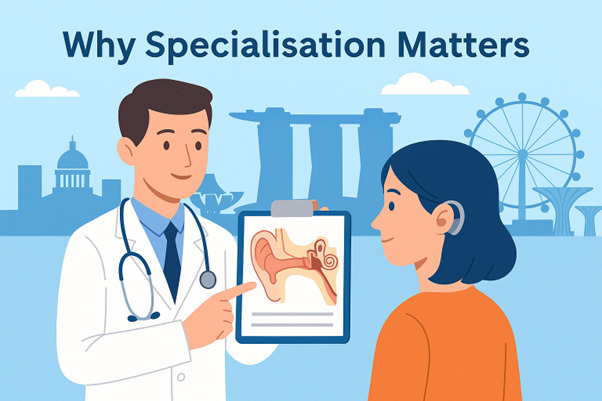
When it comes to hearing loss, accuracy is everything. Only a hearing aid audiologist has the clinical training and diagnostic expertise to distinguish between different types of hearing loss, such as conductive, sensorineural, or mixed. They can also spot when a medical condition may be at the root of the issue and refer for medical or surgical intervention if needed.
Tailored solutions are at the heart of what an audiologist does. By taking into account the patient’s specific lifestyle, communication needs, and even work environment, the audiologist can recommend and fit hearing aids that are both comfortable and effective. This level of customisation is simply not available through generic hearing care providers.
Guidance for Long-Term Hearing Health
Hearing loss is not always a static condition; it can change over time due to ageing, exposure to noise, or medical factors. An audiologist provides ongoing monitoring, making adjustments as required to ensure that hearing aids continue to meet the patient’s needs. They also educate patients and families about hearing conservation, prevention of further damage, and strategies for effective communication.
Specialist knowledge means audiologists are always up to date with advances in hearing aid technology and the latest clinical best practices. This commitment to ongoing professional development ensures patients receive the most effective, evidence-based care possible.
Advancements and Rehabilitation
The field of audiology is always evolving, with constant advances in digital hearing aids, wireless accessories, and remote care options. A hearing aid audiologist is skilled in incorporating these technological developments into patient care. They also provide rehabilitation support, including listening exercises, auditory training, and counselling, all designed to help patients adapt to new devices and get the most out of their improved hearing.
The Benefits of Choosing a Specialist Audiologist
Expert, Personalised Care
Working with a hearing aid audiologist means your hearing care is guided by someone with the highest level of expertise. This ensures you receive an accurate diagnosis, a personalised management plan, and ongoing support for both your hearing and general wellbeing.
Holistic Support
An audiologist considers not only your ears but your whole experience. Whether it’s offering solutions for communication in noisy environments, support with tinnitus, or balance rehabilitation, the approach is always holistic and patient-centred.
Lifelong Partnership
Hearing care is not a one-off appointment; it’s a journey. The relationship between you and your audiologist is built on trust and continuity. Regular reviews, technical adjustments, and support for any new challenges mean that your hearing health is protected for the long term.
Conclusion
Your hearing connects you to family, friends, and the world. When you notice changes in your hearing, seeking advice from a hearing aid audiologist is the best decision you can make for your health. Unlike other hearing care providers, an audiologist has the depth of knowledge and clinical skill to address complex issues, provide bespoke solutions, and support you at every stage of your journey.
Specialisation truly matters. Whether you’re considering your first hearing test, need advice on hearing aids, or are seeking help for balance or tinnitus problems, a specialist audiologist—sometimes known as a hearing aid doctor—offers the highest standard of care. Protect your hearing, prioritise your wellbeing, and ensure you can continue to enjoy the sounds that make life so rich.
If you’re experiencing any difficulty with your hearing or simply want to stay on top of your health, make an appointment with a hearing aid audiologist today. Expert, compassionate, and always focused on your individual needs, the right audiologist will be your partner in better hearing for life.