The Benefits of Early Hearing Intervention with an Otolaryngologist
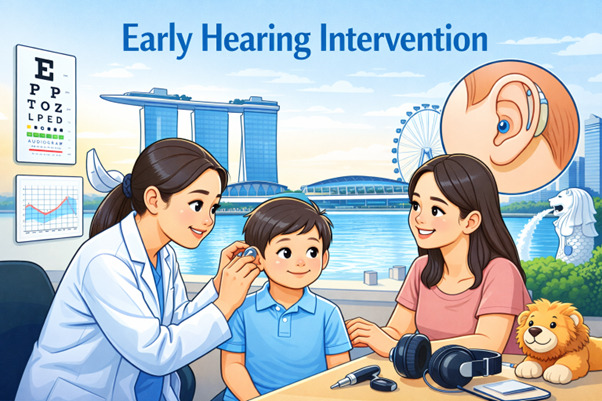
The Benefits of Early Hearing Intervention with ENT Doctors
Early hearing intervention is about recognising and addressing hearing difficulties before they cause long-term challenges. Acting early makes a significant difference to language development, social participation, and overall quality of life. When guided by a professional ENT, intervention becomes a structured and effective process that leads to better outcomes for both children and adults.
Why Early Detection Matters
Hearing loss is not always immediately obvious. Many people adapt to subtle changes until communication begins to suffer. For children, undiagnosed hearing loss can limit speech development, delay learning, and affect social confidence. Adults often face frustration in conversations, workplace challenges, and even isolation when hearing difficulties are ignored.
Addressing hearing issues early reduces these risks. With timely support:
- Children gain stronger foundations for literacy and learning.
- Adults maintain active communication and independence.
Detecting hearing problems at the earliest stage allows intervention to be both efficient and far-reaching.
The Expertise of Otolaryngologist
An otolaryngologist is a trained professional who specialises in assessing, diagnosing, and managing hearing concerns. Their role extends beyond testing hearing levels—they also interpret results, identify underlying causes, and design treatment plans tailored to the individual.
These professionals rely on advanced diagnostic tools such as pure tone audiometry, tympanometry, and otoacoustic emissions. The results guide targeted recommendations, whether that involves monitoring, medical referral, or introducing a suitable hearing solution. Because no two patients are alike, Otolaryngologists create plans that account for age, lifestyle, and communication needs.
Core Benefits of Early Intervention
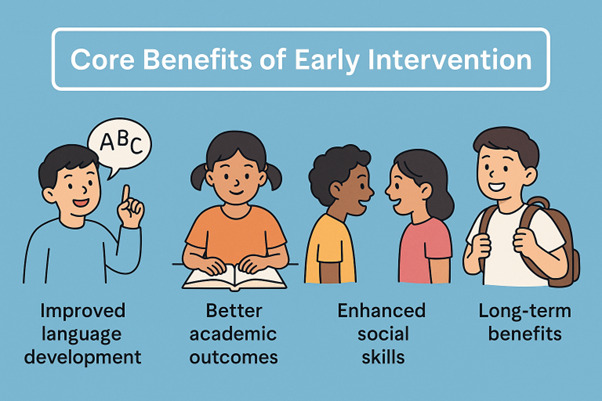
Children: Language and Social Development
For children, hearing plays a central role in language and learning. When difficulties are identified early, targeted support allows children to develop clearer speech patterns, stronger vocabulary, and better academic outcomes. Social skills also grow more naturally when children can fully engage with peers and teachers.
Missing the critical window for intervention can result in long-term delays. By ensuring hearing support at the earliest stage, children gain a fair opportunity to thrive both in education and everyday communication.
Adults: Communication and Mental Health
In adults, untreated hearing loss often leads to misunderstandings, repeated conversations, and eventually withdrawal from social settings. This isolation can contribute to stress, anxiety, and reduced self-confidence. Studies also suggest that untreated hearing problems may accelerate cognitive decline.
Early use of appropriate hearing support preserves communication skills, strengthens relationships, and maintains mental wellbeing. Addressing hearing loss before it escalates helps adults continue leading fulfilling and independent lives.
Adapting to Hearing Technology
Hearing aids, cochlear implants, and assistive devices are most effective when introduced at the right time. Early fitting is particularly crucial for children, as it supports speech and language development. In adults, satisfaction with hearing technology depends on several factors, including degree of hearing loss, device type, and personal expectations. However, beginning the process early often helps preserve communication abilities and makes the transition smoother.
By working closely with a hearing care professional, patients receive guidance on fitting, use, and long-term adjustments, ensuring their devices meet both immediate and future needs.
What to Expect in Early Intervention
The first step in early hearing intervention is a comprehensive evaluation. This usually involves:
- A case history and ear examination.
- A series of tests that measure hearing sensitivity and middle ear function.
These assessments are painless, straightforward, and provide a clear picture of hearing health.
Once results are available, the specialist explains the findings and discusses options. For some, this may mean simple monitoring, while others may benefit from immediate treatment or devices. Families and patients are included in every stage, ensuring the care plan is practical and achievable.
Collaboration is another vital aspect. Otolaryngologists often work with GPs, audiologists, educators, and speech therapists to ensure the best support for the patient. This team-based approach addresses not only the hearing concern but also its wider effects on learning, social interaction, and health.
Long-Term Impact
Early hearing intervention offers lasting advantages. On an individual level, it prevents challenges from escalating, reduces the need for intensive support later, and promotes lifelong communication abilities. On a broader scale, it helps reduce healthcare and educational costs by addressing issues before they become complex.
- Children who receive timely support are less likely to need additional educational resources later.
- Adults who act early reduce the risk of prolonged social and emotional difficulties linked to untreated hearing loss, and may also avoid costlier support needs in the future.
In every case, early action translates to better quality of life and more independence.
Conclusion
The benefits of early hearing intervention are clear and wide-ranging. By acting early, individuals protect their communication skills, preserve mental wellbeing, and improve daily living. With the expertise of a professional Otolaryngologist, patients receive accurate assessments and personalised hearing solutions that set them on the path to success.
Whether for a child beginning their journey of learning or an adult wanting to remain active and connected, early intervention is the most effective step towards lasting hearing health. Scheduling a hearing evaluation today could be the most important decision for safeguarding your future.